The Western Balkans are entering a decisive decade for energy transformation. While often portrayed as lagging behind the European Union, the region is increasingly positioned as a strategic growth area for renewable energy, grid integration, and clean-technology deployment.
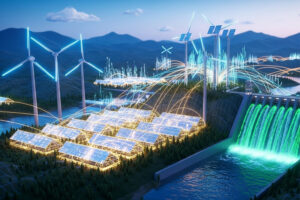
Several structural factors support this shift. The Balkans combine strong solar irradiation, high onshore wind potential, available land, and urgent demand for system modernization. At the same time, aging coal infrastructure and rising carbon exposure are accelerating the need for alternatives that align with EU climate objectives and the Energy Community framework.
Recent policy developments show growing alignment with European standards, including National Energy and Climate Plans, renewable auction schemes, and cross-border grid initiatives. Although implementation remains uneven, momentum is clearly building. Investors, utilities, and development institutions are increasingly looking at the region not as a peripheral market, but as a testing ground for scalable clean-energy solutions.
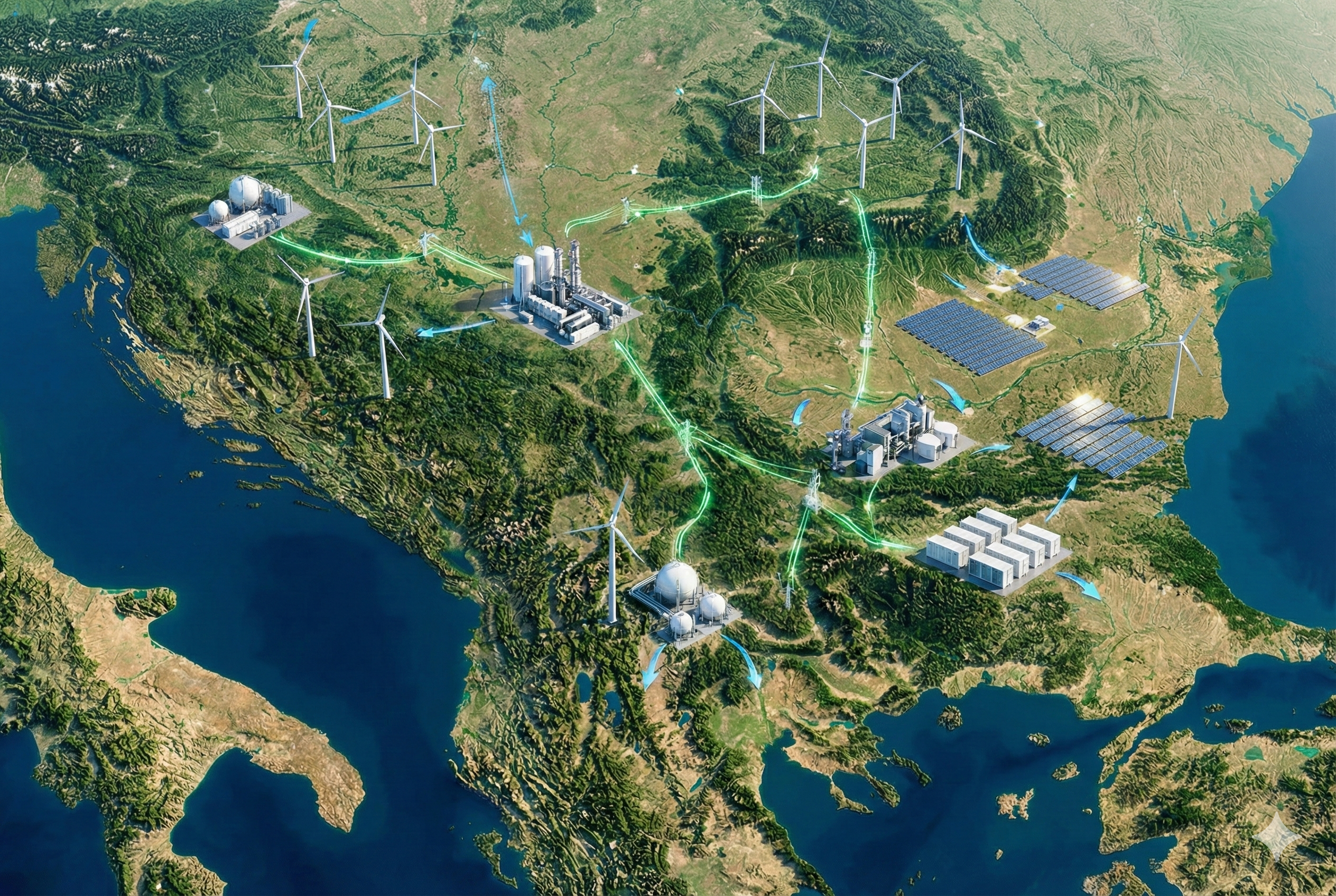
Beyond generation, the Balkans also offer opportunities in energy storage, grid flexibility, and sector coupling, including emerging hydrogen applications. These technologies are essential to balancing variable renewables and supporting industrial decarbonization.
For the region to fully realize this potential, cooperation is critical. Fragmented national approaches will not deliver the scale required. Regional coordination, skills development, and knowledge transfer must move faster than political cycles.
BASE was established precisely to address this gap: to connect stakeholders, support non-profit collaboration, and accelerate a just, innovation-driven energy transition across the Balkans.